Sturdy & Attractive: The Complete Guide to Metal Roofing Advantages and Installation
Metal roofing has become increasingly popular with homeowners for its outstanding durability and visual adaptability. Featuring a lifespan of four to seven decades, it withstands various weather conditions while improving a property's aesthetic value. However, the starting investment can prompt inquiries about its worth. Comprehending the advantages, installation process, and maintenance needs can deliver understanding. What factors should homeowners consider when choosing this roofing option? The answers may prove enlightening.
Why Pick Metal Roofing for Your Property?
As homeowners seek sturdy and high-performance roofing solutions, metal roofing emerges as a compelling option. Known for its longevity, metal roofing can last 40 to 70 years, substantially outpacing traditional materials. This durability results in fewer repairs and replacements, delivering peace of mind to homeowners. Furthermore, metal roofs are resistant to extreme weather conditions, including heavy rain, snow, and high winds, which increases their suitability in various climates.
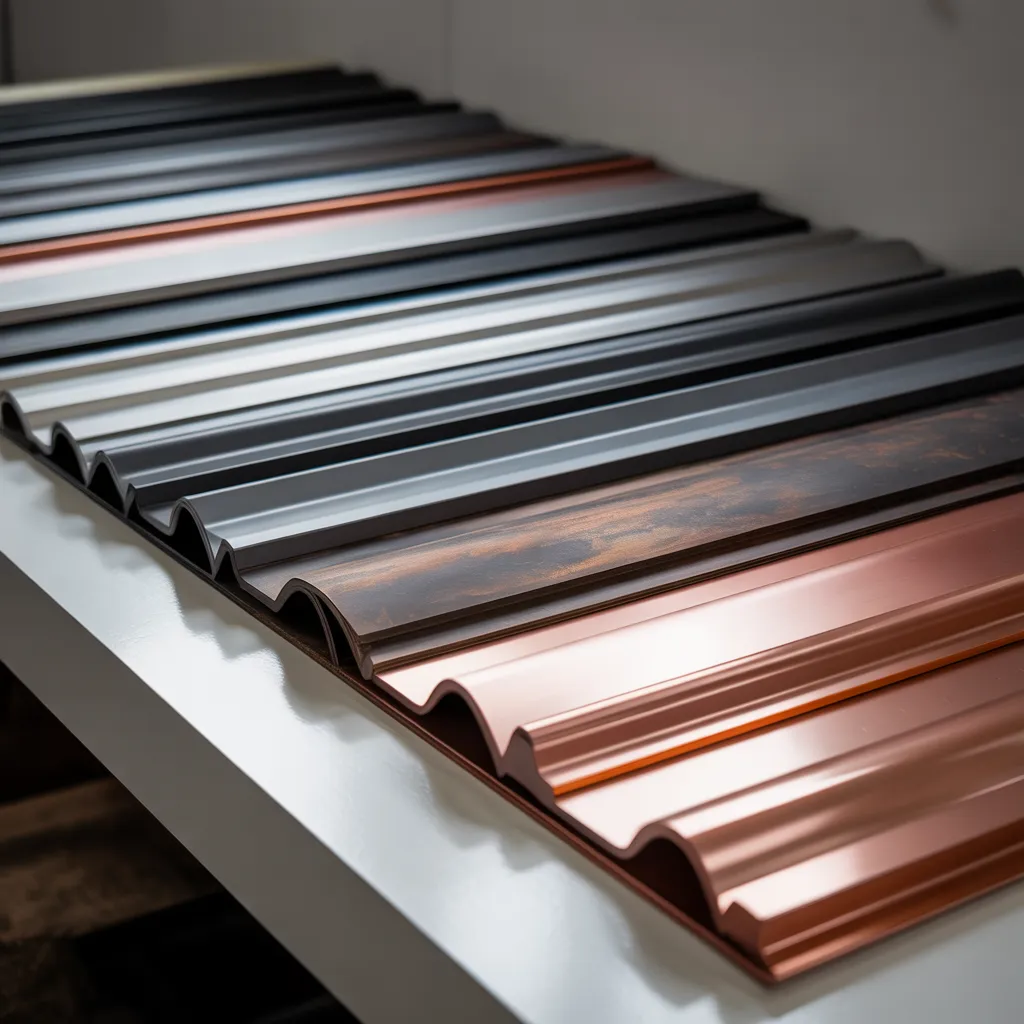
In addition to practicality, metal roofing provides aesthetic versatility. Available in a range of styles, colors, and finishes, it can complement different architectural designs, attracting varied homeowner preferences. Moreover, metal roofs are energy efficient, reflecting solar radiant heat, which can result in reduced cooling costs in warmer months. Their lightweight nature also allows for easier installation and less structural stress on homes. Overall, metal roofing presents a combination of resilience, style, and efficiency, making it an attractive selection for many homeowners.
Is Metal Roofing Worth the Investment?
Is investing in metal roofing a wise financial decision for homeowners? The solution frequently relies on various crucial elements. Though metal roofing's upfront price can surpass traditional options, its lasting performance and strength might justify the original investment. Homeowners may expect metal roofing to survive substantially longer, reducing the frequency and cost of replacements.
Additionally, metal roofing can increase energy efficiency, potentially reducing utility bills through enhanced insulation and reflective properties. This energy savings, coupled additional resource with decreased maintenance costs and potential insurance discounts, can contribute to lasting financial benefits.
Moreover, metal roofs can increase a property's resale value, making them an attractive option for homeowners wanting to invest wisely. Finally, while the initial price may be concerning, the extensive benefits associated with metal roofing can make it a worthwhile investment for many homeowners.
How Long Can Metal Roofing Last?
Metal roofing typically lasts between 40 to 70 years, far surpassing traditional roofing materials such as asphalt shingles, which typically last only 15 to 30 years. This lifespan can be attributed to the natural strength of metals, which resist rust, impact, and extreme weather conditions. Moreover, metal roofing is often finished with protective finishes that extend its lifespan and resistance to corrosion.
Factors influencing the lifespan of metal roofing include the quality of the materials used, how it's installed, and environmental conditions. Top-grade materials, such as galvanized steel or aluminum, typically offer better performance over time. Professional installation is also essential; improperly installed metal roofs may face premature failure.
Periodic maintenance, like inspections and cleaning, can further increase the life expectancy of metal roofing. Overall, property owners can expect a long-lasting roofing solution that adds value and protection to their homes.
How Metal Roofing Saves You Money
Metal roofing offers significant financial benefits through lower energy costs and long-term durability. By reflecting heat in the summer and retaining warmth during the winter, metal roofs can result in lower utility bills. Moreover, their extended lifespan minimizes the need for frequent replacements, ultimately saving homeowners money over time.
Reduced Energy Expenses
One of the key advantages of metal roofing is its capability to dramatically cut energy costs. Metal roofs mirror solar radiant heat, which can significantly reduce cooling expenses during warmer periods. This reflective property maintains cooler home temperatures, minimizing the reliance on air conditioning systems. As a result, homeowners often see lower energy bills, especially in warmer climates. Furthermore, metal roofs can be insulated, further enhancing their energy efficiency. This insulation not only assists in preserving comfortable indoor temperatures but also contributes to energy conservation year-round. Consequently, investing in metal roofing shows value not just for immediate savings but also for long-term financial relief, making it an attractive option for budget-conscious homeowners seeking sustainable solutions.
Long-Term Durability Savings
Longevity is a key factor when considering roofing options, and metal roofing stands out in this area. Its lifespan typically extends from 40 to 70 years, significantly outlasting traditional materials such as asphalt shingles, which often need replacement every 15 to 20 years. This impressive durability leads to substantial long-term savings, as homeowners can minimize the frequency and costs associated with roof replacements. Additionally, metal roofing is impervious to elements like wind, hail, and fire, decreasing the likelihood of damage and costly repairs. Moreover, many metal roofs come with warranties of up to 50 years, delivering peace of mind for homeowners. Overall, investing in metal roofing not only enhances property value but also fosters financial savings over time.
Aesthetic Excellence: Transforming Your Home With Metal Roofing
Even though homeowners frequently search for durability and energy efficiency in roofing materials, the aesthetic appeal of metal roofing cannot be overlooked. This flexible option is offered in a range of styles, textures, and colors, allowing homeowners to select a design that enhances their property's architecture. Whether choosing sleek, modern panels or traditional corrugated styles, metal roofing elevates curb appeal and can improve the general appearance of a home.
In addition, metal roofs can imitate the aesthetic of other materials, such as wood or slate, offering the desired aesthetic without compromising durability. The reflective properties of metal also create a unique visual impact, especially in sunlight, forming a dynamic interplay of light and shadow.
Installing metal roofing can produce a bold statement, highlighting individuality while delivering enduring beauty. Overall, the aesthetic qualities of metal roofing offer homeowners an opportunity to express their unique design vision while reaping the advantages of a resilient material.
Selecting the Right Type of Metal Roofing
Choosing the appropriate type of metal roofing is a crucial consideration for homeowners seeking to enhance both the aesthetic and functional aspects of their property. Various metal roofing materials, including steel, aluminum, and copper, offer distinct advantages. Steel, valued for its strength and durability, is often galvanized for enhanced corrosion resistance. Aluminum is lightweight and resistant to rust, making it ideal for coastal areas. Copper, while more expensive, provides a unique patina that becomes more appealing over time.
Property owners should likewise examine the style and finish of the metal roofing. Options range from standing seam to corrugated panels, each showcasing a different visual appeal and functionality. Moreover, color choices can significantly impact energy efficiency, reflecting sunlight and reducing cooling costs. Ultimately, selecting the right type of metal roofing involves weighing personal preferences with practical considerations, securing a lasting investment that complements the overall design of the home.
The Metal Roofing Installation Procedure
Metal roofing installation requires multiple essential steps to ensure a successful result. To begin with, detailed preparation and planning are vital to manage site-particular demands. Following this, understanding the various installation techniques and post-installation maintenance tips can contribute to the longevity and performance of the metal roof.
Planning and Preparation Steps
Before beginning a metal roofing installation, careful preparation and planning are vital to secure a successful outcome. Homeowners should start by inspecting the existing roof structure, ensuring it can bear the weight of metal panels. Accurate measurements of the roof dimensions are critical, as they define the number of materials needed. Additionally, choosing the right type of metal roofing—such as corrugated steel or aluminum—requires assessment of local climate and aesthetic preferences. It is also wise to check local building codes and obtain necessary permits. Gathering all needed tools and materials in advance will optimize the installation process. Finally, creating a timeline and a contingency plan for unexpected challenges can substantially enhance the efficiency and effectiveness of the roofing project.
Installation Methods Overview
When the planning and preparation steps are completed, homeowners can start the installation of metal roofing with confidence. The installation process generally starts with obtaining the necessary materials and tools, including metal panels, underlayment, and fasteners. Following this, workers will install flashing around chimneys, vents, and other protrusions to ensure water resistance. The metal panels are then positioned, starting from the bottom edge of the roof and working upward, overlapping each panel to promote proper drainage. Fasteners should be installed in the panel's flat areas to eliminate leaks. At the end, trim pieces are added to complete the roof's both aesthetic and functional aspects. Implementing these techniques provides a long-lasting and attractive finish, maximizing the advantages of metal roofing.
Maintenance Recommendations Post-Installation
Caring for a metal roof following installation is vital for maintaining its lifespan and performance. Routine inspections should be performed at least bi-annually a year, focusing on areas vulnerable to debris collection, such as valleys and gutters. Cleaning is vital; using a gentle brush or a low-pressure washer aids in eliminating dirt and oxidation. It is advisable to examine for loose fasteners, verifying they are tightened to stop leaks. Furthermore, ensuring proper drainage can prevent water damage and rust development. If applicable, applying a protective coating every few years enhances the roof's protection to weather elements. Lastly, addressing any evidence of damage immediately can significantly increase the service life of a metal roof, ensuring it remains both operational and aesthetically appealing.
Care Guidelines for Your Metal Roof
Regular maintenance of a metal roof is critical to guarantee its long-term performance. Homeowners should commence by conducting routine inspections no less than twice a year, targeting areas prone to debris accumulation, such as valleys and gutters. Clearing leaves, branches, and other debris stops water pooling and potential corrosion.
Next, inspecting for evidence of rust or damage is critical. Any detected issues should be handled quickly with proper sealants or coatings to protect the integrity of the roof. It is also recommended to keep the metal surface clean by cleaning it with mild detergent and water, making sure that dirt and pollutants do not damage the finish.
Moreover, inspecting and tightening fasteners can work to avert leaks. If the roof has paint, a routine repainting may be necessary to guard against fading and corrosion. Applying these maintenance tips can considerably improve the service life and aesthetic appeal of a metal roof.
Clearing Up Frequent Myths About Metal Roofing
Various myths surround metal roofing, primarily regarding its noise levels and vulnerability to rust. Despite popular belief, today's metal roofs are engineered with sound-dampening technology, substantially reducing noise during rain or hail. In addition, developments in coating technology have made metal roofs exceptionally resistant to rust, ensuring long-lasting performance and lasting quality.
Metal Roofing Creates Noise
Although some homeowners worry that metal roofs are extremely noisy during rainfall or hailstorms, this idea is essentially a myth. Modern metal roofing systems are usually installed over solid sheathing, which greatly dampens sound. The insulation and underlayment employed during installation also reduce noise levels, making them equivalent to traditional roofing materials. In addition, the sound produced during rainy or hail conditions is often less noticeable than that of asphalt shingles, which can create a more resonant sound. Homeowners who value comfort and tranquility can go with high-quality insulation to increase soundproofing. Finally, the belief that metal roofs are extremely noisy is unfounded, and many homeowners find their noise levels rather manageable.
Metal Roofs Rust Easily
Despite some believing that metal roofs are vulnerable to rusting, this is a misconception stemming from outdated information. Modern metal roofing materials, such as galvanized steel and aluminum, are specifically designed to resist corrosion. These materials undergo treatments that enhance their durability, including protective coatings that prevent rust formation. In addition, advancements in technology have produced the development of rust-resistant alloys, providing longevity even in harsh weather conditions. Regular maintenance, such as cleaning and inspecting for damage, also helps to minimize any potential rust issues. Therefore, homeowners can benefit from the aesthetic and functional advantages of metal roofs without the fear of rust compromising their investment. Understanding these facts can alter perceptions about the reliability of metal roofing systems.
Assessing Metal Roofing with Other Choices: Benefits and Drawbacks
When evaluating roofing choices, homeowners often compare the benefits and drawbacks of metal roofing against classic materials like asphalt shingles, wood, and tile. Metal roofing provides exceptional durability and longevity, often lasting between 40 and 70 years, compared to asphalt shingles which typically last between 15 and 30 years. Moreover, metal roofs are energy effective, reflecting solar heat and potentially lowering cooling costs.
Nonetheless, the initial installation cost of metal roofing is typically higher than that of asphalt or wood, which may deter some homeowners. However, metal roofs are less heavy and demand less structural support, which can be a substantial advantage in specific situations.
Conversely, traditional materials for example wood and tile offer aesthetic appeal but may be susceptible to rot, mold, or insect damage. At the end of the day, the choice is determined by budget, climate, and personal preference, making it essential for homeowners to examine their particular needs carefully.
Questions and Answers
Can Metal Roofs Be Installed Over Existing Shingles?
Installing metal roofing over existing shingles is possible. This installation method cuts down on time and labor costs while delivering additional insulation. However, it is essential to verify the underlying structure can support the extra weight.
What Color Options and Finishes Can You Get for Metal Roofing?
Metal roofing comes in a variety of colors and finishes, including matte, gloss, and textured options. Available colors extend from classic neutrals to vibrant hues, giving homeowners flexibility in matching their architectural styles and aesthetic preferences.
What Can You Expect from Metal Roofing in Extreme Weather?
Metal roofing excels in extreme weather, resisting high winds, heavy snow, and intense heat. The resistance to corrosion and fire improves durability, making it an excellent option for different climate zones and severe weather situations.
Does Metal Roofing Benefit the Environment?
Metal roofing is environmentally conscious because of its ability to be recycled, energy efficiency, and ability to reflect solar heat. These attributes contribute to lowered energy consumption and decreased greenhouse gas emissions, making it a environmentally responsible building material selection.
Is Special Equipment Needed for Metal Roof Installation?
Indeed, installing metal roofing usually demands special tools, including metal shears, a drill, and safety equipment. These tools guarantee accuracy and safety, making the installation process efficient and effective for achieving excellent results.